1
Global Mobilization: Delegates from 110 countries, supported by four regional pre-COY consultations, including an in-person session at SB62.
Conference of Youth
Loading page…
Tip: You can keep scrolling after load — the button is bottom-right.
Conference of Youth
Loading…
Tip: You can keep scrolling after load — the button is bottom-right.
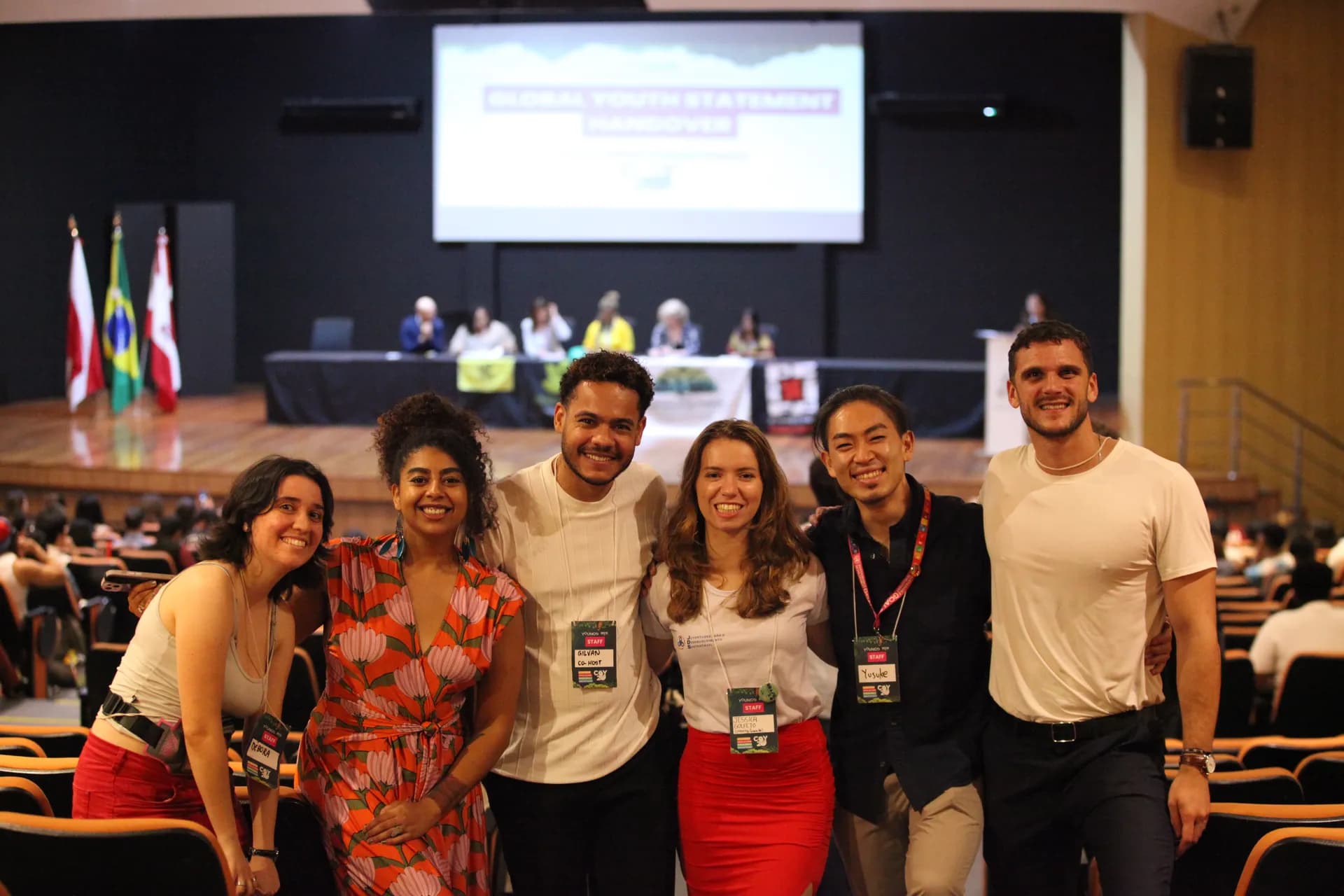
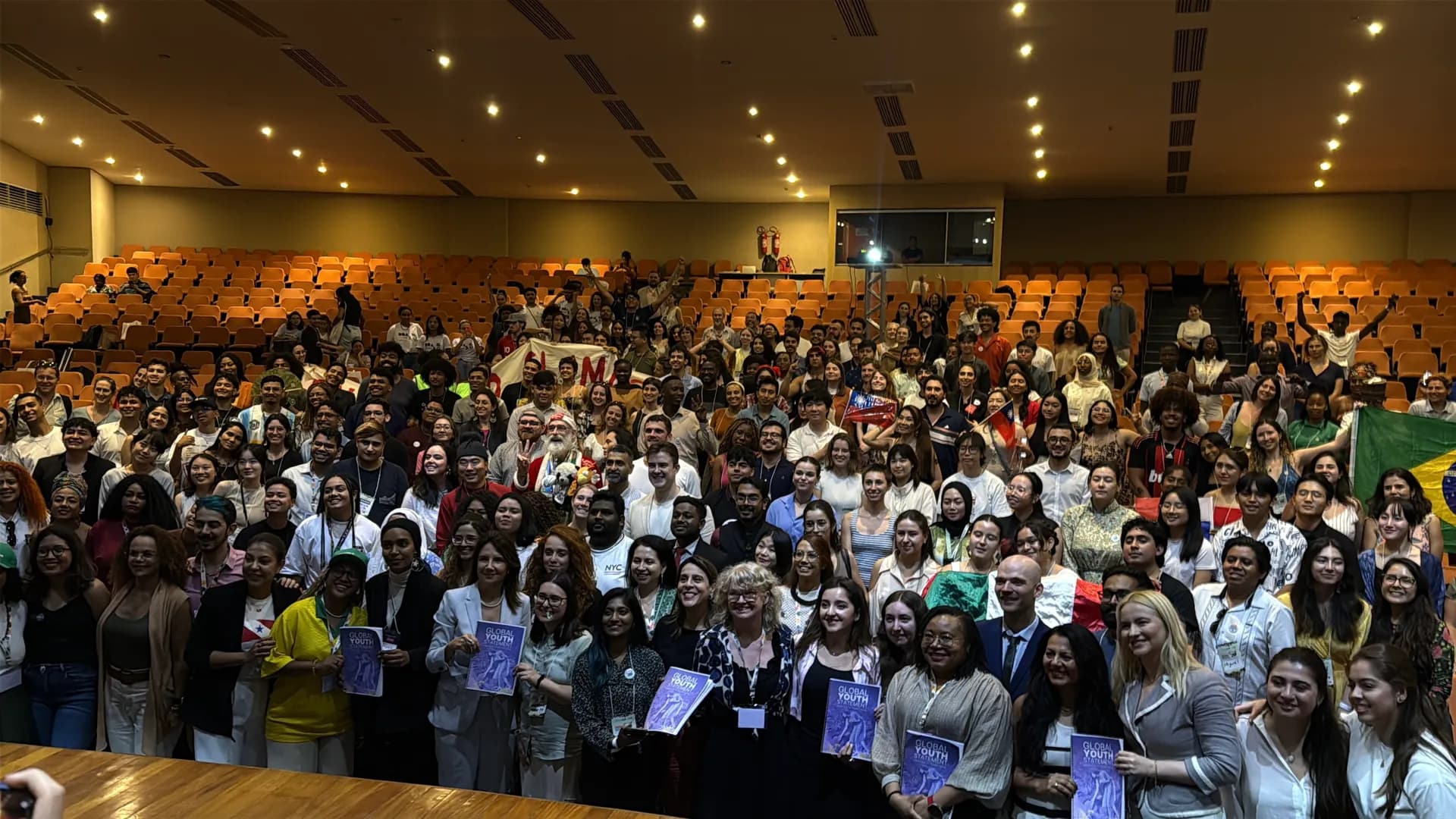
The 20th Global conference of Children and Youth (COY20), held from November 6-8, 2025, at the Universidade Federal do Para (UFPA) in Belem, Brazil, was a landmark gathering that convened hundreds of children and youth advocates from across the globe. As the premier youth-led event preceding COP30, COY20 served as a vital platform for consultations, workshops, and policy development focused on climate justice, indigenous rights, and youth empowerment.
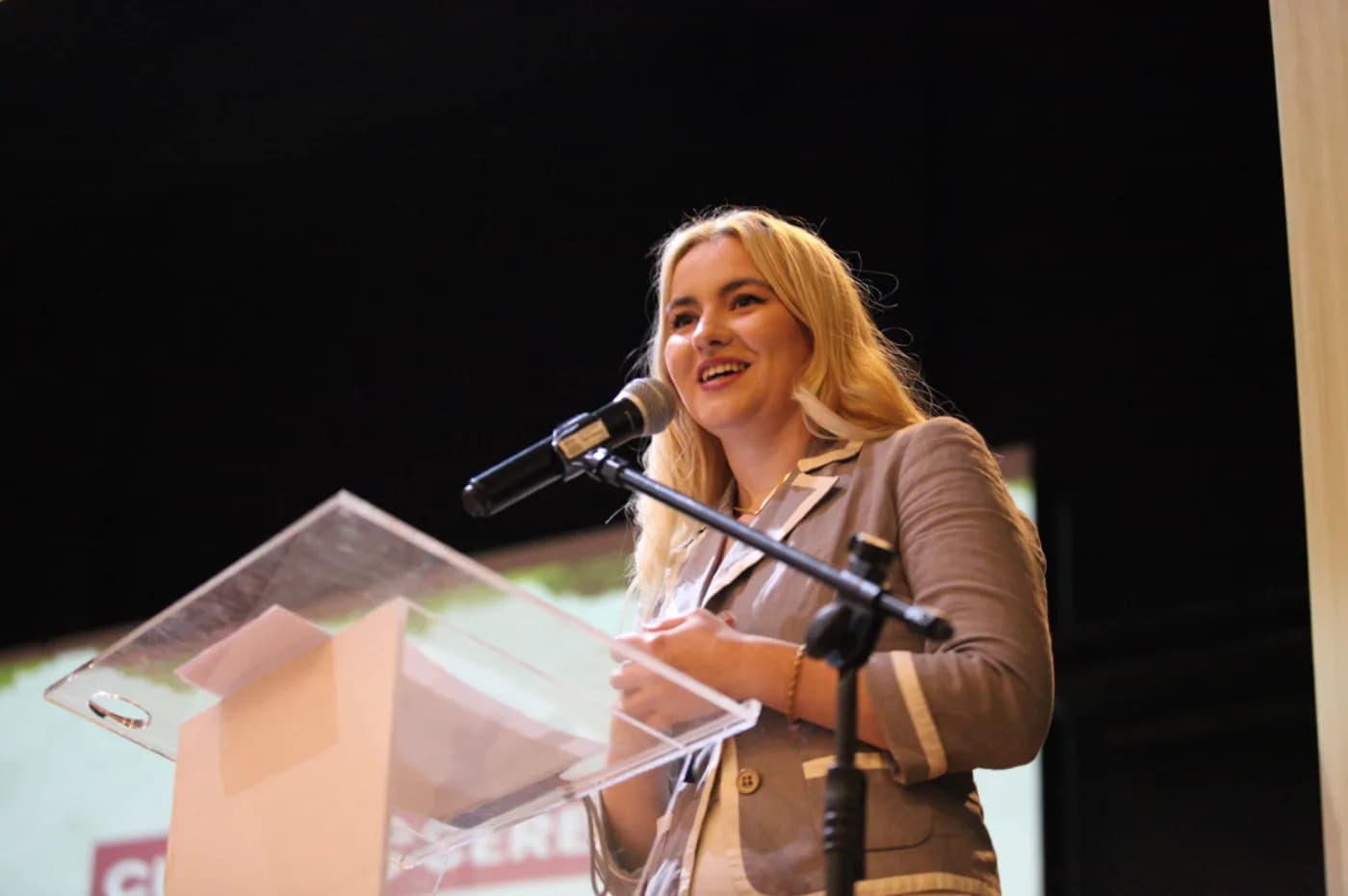
Snapshot
Real impact measured in youth voices, global reach, and action.
30,000+
Youth Voices Consolidated
250+
On-site Delegates
29
Volunteers
70+
Countries Represented
2,260
Meals Distributed
Global Mobilization: Delegates from 110 countries, supported by four regional pre-COY consultations, including an in-person session at SB62.
Broad Collaboration: 60 global partners supported delivery, with professional event documentation by Cinema Nosso.
Impactful Programming: 50 sessions across plenaries and workshops with an average of 227 daily delegates, including 11 children and minors.
Radical Accessibility: Visa support for 800 delegates and distribution of 300 mobility cards to support participation.
Inclusive Hospitality: 2,180 free meals with vegetarian and halal plant-based options, plus accommodation support for volunteers and partially funded delegates.
Digital Amplification: Over 790,000 views, 46,000+ accounts engaged, and 3,558 new followers.
Policy and Legacy: Intergenerational dialogue and youth-led outcomes culminating in the finalization of the Global Youth Statement.
Collaboration
Organizations and networks that strengthened COY20 delivery and policy outcomes.
The unified demands of over 30,000 children and youth worldwide, formally presented to COP 30 negotiators.
Five Key Priorities
Download Global Youth StatementStrengthen commitments and actions to limit global warming to 1.5°C and achieve a full, fast, and fair fossil fuel phase-out. Implementation must include clear emission reductions across all sectors, accelerated clean energy uptake, and safeguards rooted in human rights, intergenerational equity (including the NDC Youth Clause), gender justice, and the protection of nature, ensuring a just transition.
Recognise intergenerational equity as a foundational principle of climate governance, embedding it systematically into structures, processes, and mandates. In alignment with the July 2025 ICJ Advisory Opinion, ensure meaningful participation of children and youth in all decision-making processes, supported by adequate financial, logistical, and safeguarding mechanisms.
Acknowledge that wars, genocides, and conflicts exacerbate climate change, cause environmental degradation, and deepen vulnerabilities of children, youth, women, gender-diverse individuals, persons with disabilities, Indigenous Peoples, displaced persons, and other at-risk groups. Call for an immediate global ceasefire and the protection of civilians, especially children and youth, from the impacts of conflict and crisis.
Commit to accessible, transparent, grant-based, and substantial climate finance across all work streams: Adaptation, Mitigation, Loss and Damage, ACE, and Just Transition. Finance must be accessible to grassroots and Indigenous organisations, children, youth, women, gender-diverse people, and marginalised groups. Reform international financial systems to remove debt burdens and align finance with people-centred climate justice.
Raise adaptation to equal priority with mitigation and finance. Adopt strong monitoring and course-correction mechanisms for adaptation outcomes. Provide financial support, technology transfer, and capacity building to enable all countries to formulate and implement National Adaptation Plans (NAPs). These plans should address health, food security, biodiversity, ecosystem and cultural heritage protection, nature-based solutions, conservation, restoration, early warning systems, and community-led resilience efforts.
A historic expansion of identity that formally centered children within the COY20 legacy.
For the first time, COY20 formally expanded its identity to become theGlobal Conference of Children and Youth in Climate Change, while retaining the abbreviation COY20.
To create meaningful spaces for children, the organizing team selected 7 volunteers under the age of 18 and established a Children Engagement Team dedicated to safeguarding and children's participation. The team supervised guardian protocols and signed parental consent forms to ensure protection and safety for young volunteers.
During the conference there's dedicated age-appropriate sessions and interactive exhibits. COY20 funded two child volunteers to enable equal access.
Collaboration with child-focused organizations such as UNICEF, ChildFund, Save the Children, and Alana was central to this effort. Additionally, the City Hall of Belém supported the participation of local children, further broadening inclusivity.
Through these measures, COY20 successfully created a safe, engaging, and empowering environment for children, setting a precedent for future COYs.
For the first time in COY history, COY20 established a dedicated Indigenous Involvement Team to ensure that Indigenous voices were meaningfully represented throughout the conference. This team mapped Indigenous organizations and leaders and held consultations with them to integrate their input into an inclusive program.
As a result, COY20 hosted 5 dedicated sessions focused on Indigenous issues, with three delivered in local languages to maximize accessibility for local participants. These sessions provided space for dialogue on climate justice, cultural heritage, and youth empowerment, and they highlighted the leadership of Indigenous communities in shaping climate solutions.
This work strengthened inclusivity at COY20 and set a precedent for future Conferences of Youth.
A Legacy of Representation
The visionaries behind the 20th Conference of Youth, representing the global south, institutional memory, and grassroots resilience.
The powerhouse coalitions driving change in Brazil and beyond.
Youth for Sustainable Development (JDS) is a movement that was born in 2022, in Campinas (São Paulo). It emerged with the purpose of mobilizing and strengthening youth leadership in building solutions for the environmental, social, and economic challenges of our time, always connecting local actions with global agendas such as the 2030 Agenda and the COP.
OZIPA is a creative space that, through education, culture, and entrepreneurship, promotes personal and professional development, using existing knowledge and experiences as a starting point for social transformation.
Created in early 2023, HUB Campinas is part of the international Global Shapers Community. The Hub operates in the city of Campinas through projects and social impact initiatives aimed at addressing local challenges and increasing youth participation in discussions while raising the visibility of the region.
PerifaConnection is a platform for connection and confluence of Brazilian peripheries through communication, youth development, and political articulation. Its main axes are territoriality, climate justice, race, and youth. PerifaConnection works to empower and engage young people from the peripheries, placing these communities at the center of the debate.
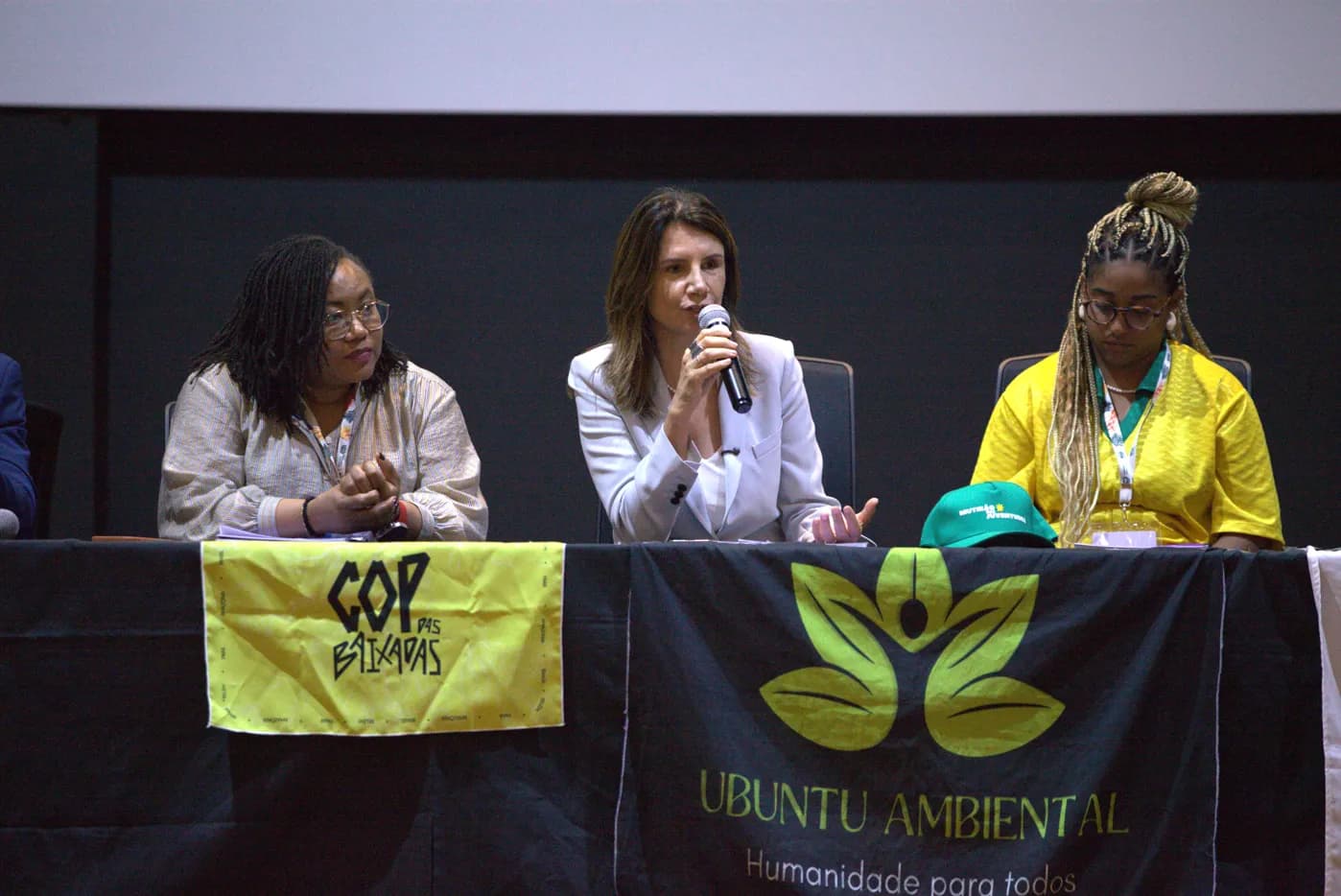
COP das Baixadas is an advocacy movement that carries out climate education, cultural, leisure, and sports activities in local communities. Its mission is to strengthen narratives in defense of the Amazon, as well as climate and social justice for territories and their populations. It is a network that aims to collectively envision and build “the conference we want” in the Amazon, leading up to COP30 in Belém do Pará.
Águas Resilientes is built on a commitment to generating socio-environmental impact through access to water, sanitation, and hygiene. Its activities aim to strengthen and develop solutions while engaging youth, all sectors of society, and local communities. Promoting mitigation, adaptation, autonomy, and dignity, Águas Resilientes is a symbol of hope and resilience, inspiring positive change and building a sustainable future for everyone.
COY20 was made possible by the generous support, partnership, and solidarity of institutions committed to youth-led climate action.

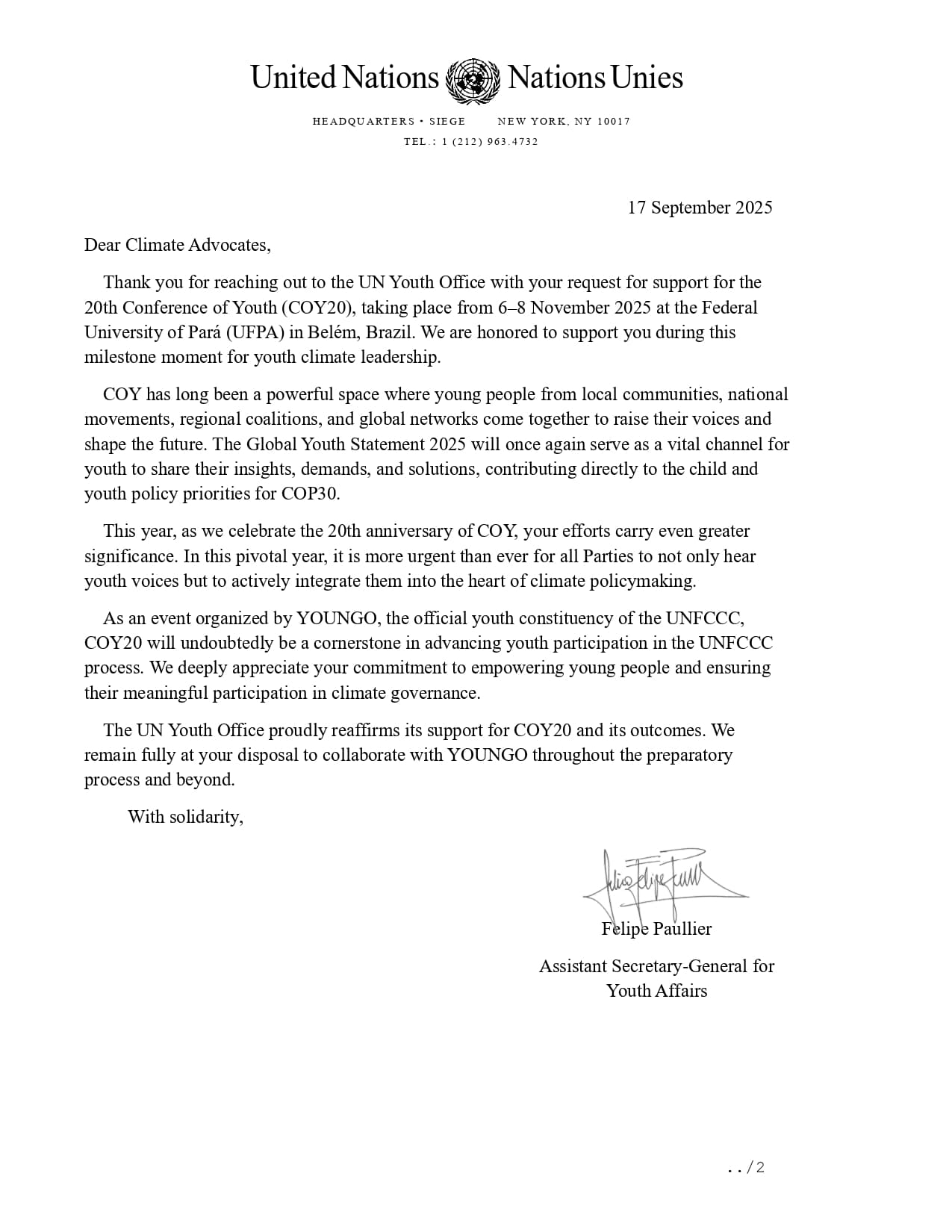
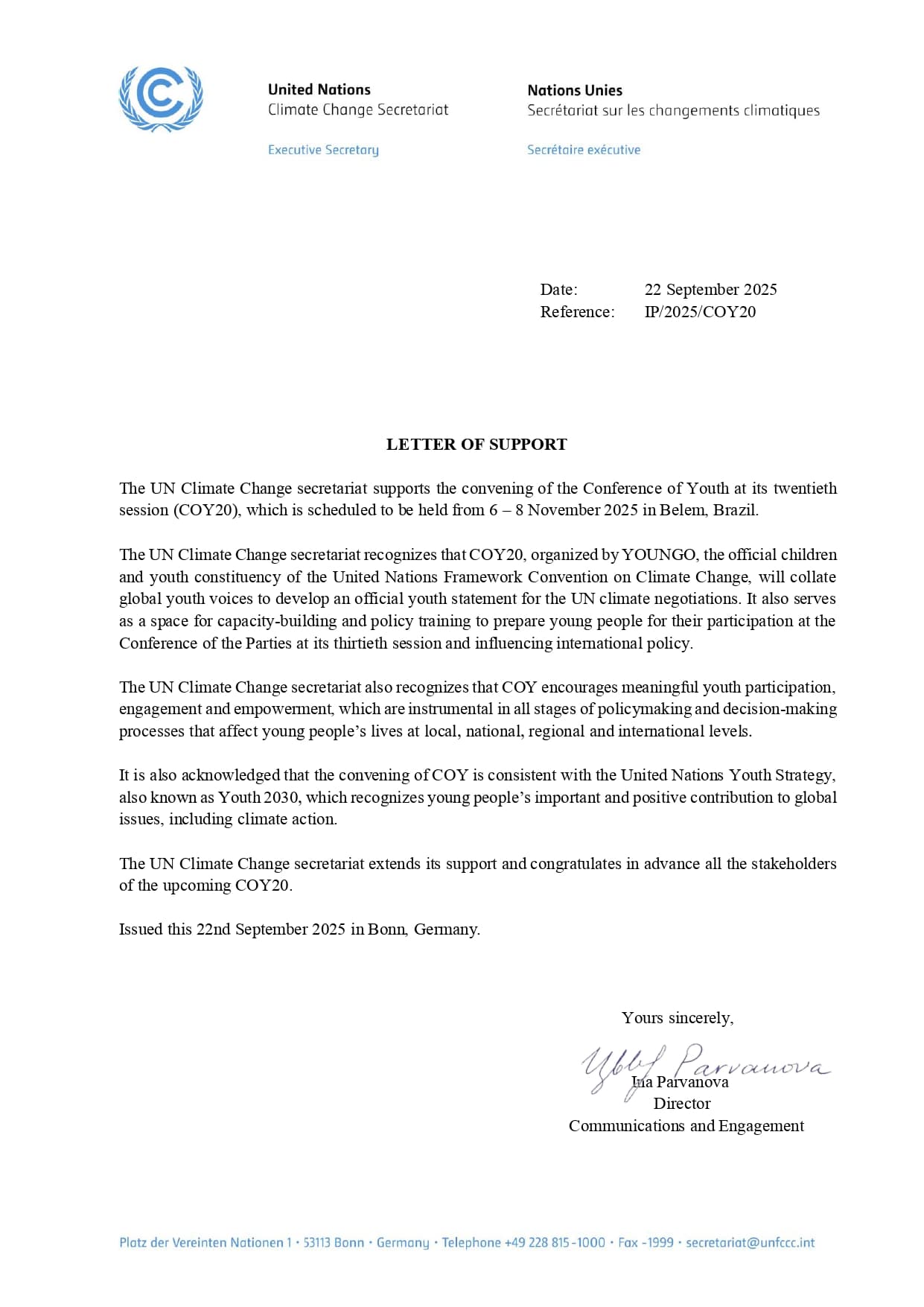
This year, COY20 secured three key endorsements: from the UN Secretary-General's Envoy on Youth, the COP30 Presidency, and the UNFCCC Secretariat.
_page-0001.jpg&w=1920&q=75)